
Engwe EP-2 3.0: Electric Bike Review
Finding a reliable folding commuter that balances everyday portability with stable road handling can be a challenge. When examining options from ENGWE, models built for versatility usually attract the most attention from urban riders and weekend explorers. This evaluation explores the physical design, operational mechanics, and practical trade-offs of the Engwe EP-2 3.0 to help you determine if it fits your daily transit needs.
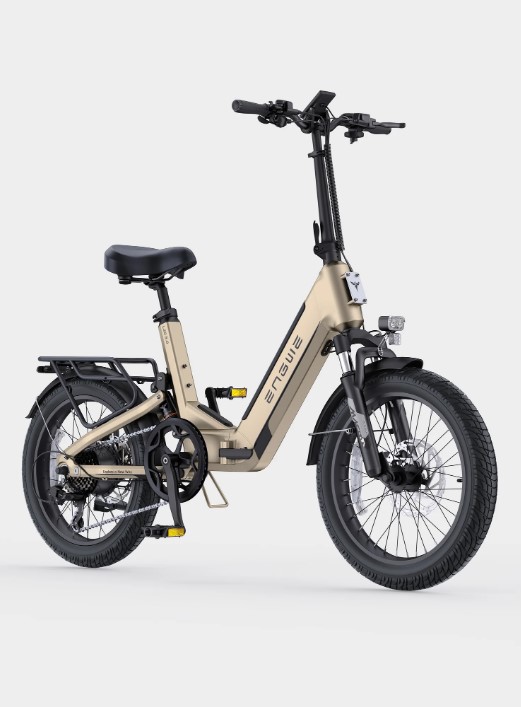
The folding e-bike market has evolved significantly, moving past simple novelty designs into heavy-duty machines built for daily commuting. In this segment, the engwe ep-2 3.0 serves as a direct evolution of earlier platforms like the engwe ep 2 pro series. Riders frequently cross-shop this model against the classic engwe ep-2 pro to see how frame rigidity and electrical architecture have advanced.
Choosing an electric bike engwe lineup option means assessing how well it handles storage constraints without sacrificing the power required for daily hills and long stretches of pavement. This engwe ep2 pro electric bike successor aims to resolve common commuter complaints by refining how the folding mechanism locks into place during transit.
Understanding the Engwe EP-2 3.0 Design Philosophy
When evaluating an engwe ebike, the primary engineering focus is usually centered on frame integrity. Folding bicycles inherently carry structural joints that can introduce flex under heavy pedaling or rough riding conditions. The engineering behind the engwe-bikes portfolio prioritizes reinforced hinges to minimize this movement.
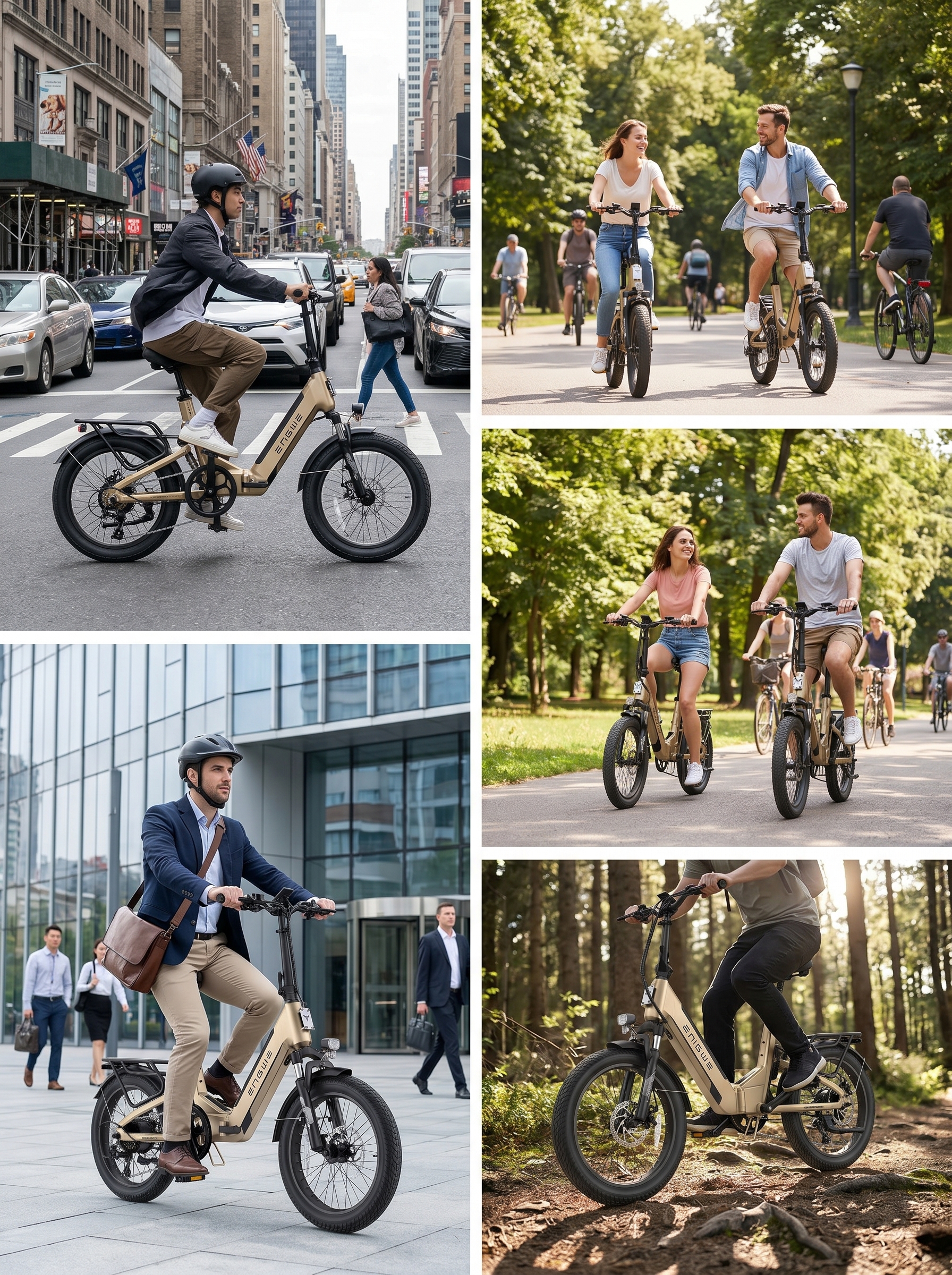
The engwe ep 2 pro electric bike established a blueprint for fat-tire folding mobility, and the 3.0 iteration builds upon that foundation with updated component integration. For riders who store their transport in apartment hallways, office cubicles, or the trunk of a compact car, the folding geometry remains a vital advantage.
Core Specifications Breakdown
Looking closely at the physical build and electrical components helps clarify what to expect on the road. Below is a structured breakdown of the verified specifications for this model.
| Specification Feature | Details |
|---|---|
| Brand | ENGWE |
| Model | EP-2 3.0 |
| Category | Folding E-bikes |
Real-World Performance and Ride Quality
Out on the pavement, the physical response of the Engwe EP-2 3.0 depends heavily on tire pressure and terrain. Fat tires absorb minor road imperfections, cracks, and gravel paths far more effectively than standard skinny commuter tires. However, they also introduce additional rolling resistance, which becomes noticeable if the battery depletes entirely during a ride.
Community discussions, such as those found on Reddit, frequently highlight how owners manage power delivery settings and throttle response during daily neighborhood trips. Users often compare notes regarding motor engagement timing and pedal-assist calibration to optimize energy consumption.
Pros and Cons Analysis
Every transit machine involves engineering compromises. Reviewing the clear advantages and inherent limitations helps ensure the product matches your expectations.
| Advantages (Pros) | Limitations (Cons) |
|---|---|
| Compact folding design simplifies indoor storage and car trunk transport. | Heavier total weight compared to non-folding commuter bicycles. |
| Fat tires provide stable traction across diverse surface types. | Bulkier frame requires lifting strength when loading into vehicles. |
| Adjustable handlebars and seat post accommodate multiple rider heights. | Wide tires increase resistance if riding purely by unpowered pedaling. |
Customer Feedback and Brand Reliability
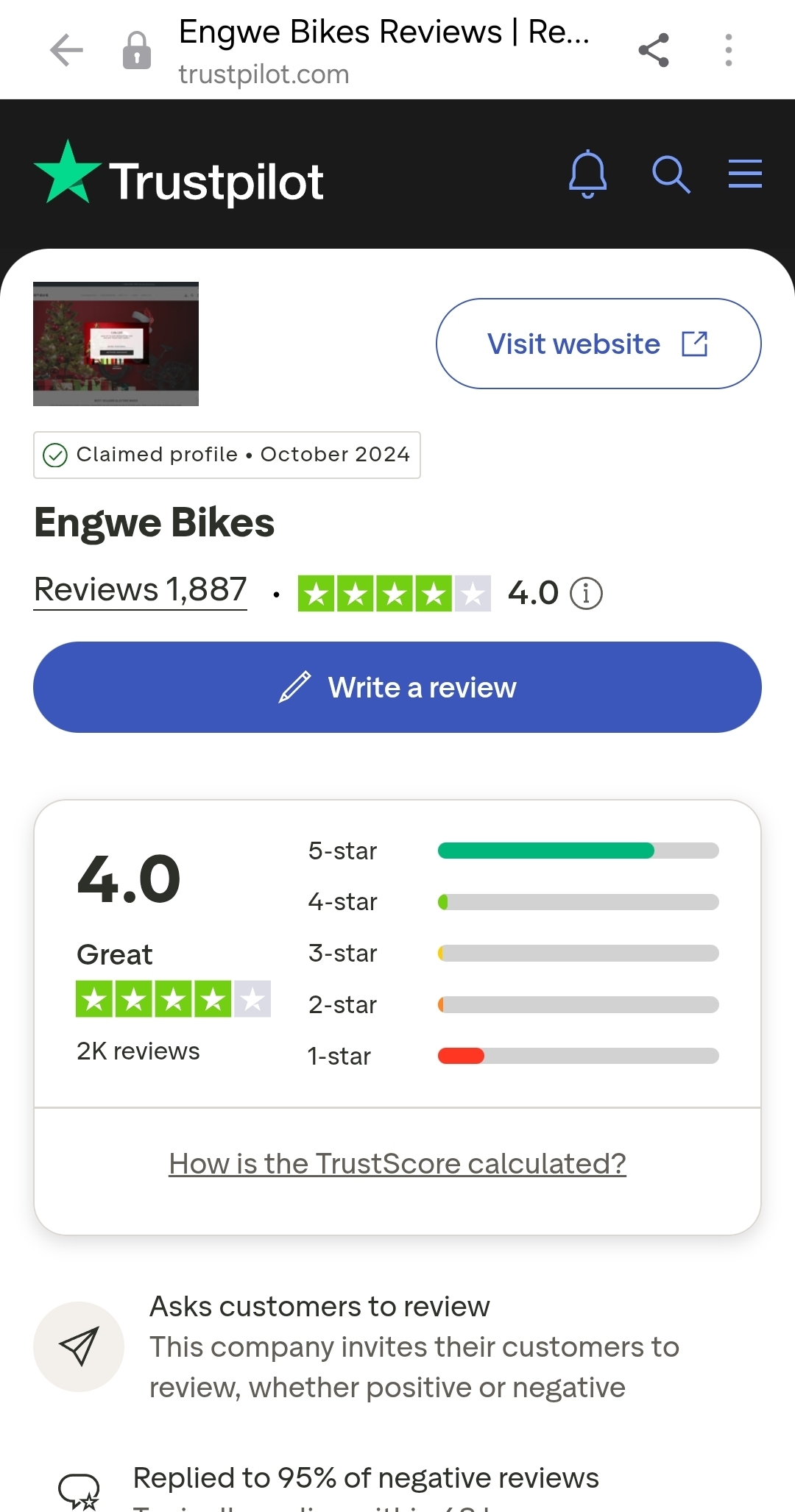
When purchasing transit hardware online, understanding brand accountability matters. Public feedback platforms like Trustpilot offer insight into shipping efficiency, customer communication, and post-purchase support experiences from actual buyers.
Before finalizing your purchase, it is always wise to review official documentation, including the Product Manual for assembly instructions, the Shipping Policy for delivery timelines, the Warranty Policy regarding component coverage, and the Return Policy if adjustments are needed. Secure transactions are processed through authorized Payment Methods, and any questions can be directed to Customer Support.
Frequently Asked Questions
Can the Engwe EP-2 3.0 fit inside a standard car trunk?
Yes, the folding frame mechanism allows the handlebars and main beam to fold down, making it compact enough to fit into most standard vehicle trunks or backseat areas.
How does the Engwe EP-2 3.0 compare to the older EP-2 Pro?
The 3.0 version incorporates refined frame joint engineering and updated electrical integration compared to older baseline units, enhancing overall structural rigidity during daily commutes.
What maintenance do the fat tires require?
Regular checks should focus on maintaining proper tire pressure to prevent pinch flats and ensure efficient motor performance across pavement and gravel.
Is assembly difficult when the bike arrives?
Most folding e-bikes arrive partially assembled. Buyers typically need to secure the handlebars, attach the pedals, and verify all bolt torques using the provided manual before the first ride.
Can I ride this electric bike in wet weather?
The electrical components feature weather-resistant housing for light splashes and damp conditions, but riders should avoid submerging the motor or battery in deep standing water.
Conclusion
The Engwe EP-2 3.0 delivers a practical balance of folding convenience, stable fat-tire traction, and adjustable commuter ergonomics. While its weight requires some lifting effort, its ability to collapse for indoor storage makes it a strong contender for urban riders with limited space. If you value flexibility and comfort on varied road surfaces, exploring this model directly through the official store is a worthwhile next step.


Social Plugin