
Navigating the World of E-bikes: What You Need to Know
The landscape of electric bicycles has evolved rapidly. Whether you are looking for an eco-friendly way to commute, a tool for rugged outdoor exploration, or a high-performance machine for weekend trails, the sheer variety of options available can be overwhelming. Understanding the nuances of motor power, battery capacity, and frame design is the first step toward making a sound investment.
In this guide, you will learn the essential criteria for selecting the right electric bike for your needs, how to distinguish between different categories, and what factors truly influence the long-term satisfaction of your purchase.
Understanding E-bike Categories and Performance
Electric bikes are typically categorized by their intended use and technical specifications. While many riders search for local retail options like "ebikes Halfords" to see machines in person, the digital market has introduced a much wider range of specialized off-road and utility bikes that may not be available on standard high-street shelves.
The most important factors to consider include:
- Motor Wattage: A 250W motor is generally sufficient for city commuting, but if your routes involve steep hills or off-road terrain, 500W to 750W motors provide the necessary torque.
- Battery Capacity: Measured in Watt-hours (Wh), this determines your range. Think of the battery as the fuel tank; higher capacity means fewer charges and more peace of mind on long trips.
- Tire Type: Fat tires (4 inches or wider) are designed for stability on loose surfaces like sand, mud, and snow, whereas thinner tires are optimized for pavement efficiency.
- Frame Geometry: Mountain-style e-bikes, such as the VTUVIA line, offer a more aggressive posture designed for control on technical terrain, whereas cruiser-style bikes prioritize a relaxed, upright seating position.
Comparison: Mountain E-bikes vs. Standard Commuter E-bikes
When deciding which type fits your lifestyle, consider the table below to compare the typical trade-offs between different categories.
| Feature | Mountain/Off-Road E-bike | Standard Commuter E-bike |
|---|---|---|
| Terrain Capability | High (Trail, Sand, Snow) | Low (Pavement, Smooth Gravel) |
| Comfort | Suspension-focused | Ergonomic-focused |
| Weight | Heavier (Heavy-duty frames) | Lighter (Nimble frames) |
| Maintenance | Higher (Due to rugged use) | Lower (General road wear) |
| Ideal User | Adventurers, Hunters, Hikers | City Workers, Students |
Why Off-Road Fat Tire E-bikes are Gaining Popularity
Off-road fat tire electric mountain bikes have surged in popularity due to their versatility. Unlike standard road bikes, these machines are equipped to handle varied climates and terrain types. For those looking for an all-season vehicle that doesn't shy away from dirt tracks or woodland paths, this category is unmatched.
The VTUVIA SN100 750W Fat Tire Hunting Electric Mountain Bike is a prime example of this engineering. Designed with power and stability in mind, it utilizes high-torque performance to assist riders in environments where standard motors might fail.
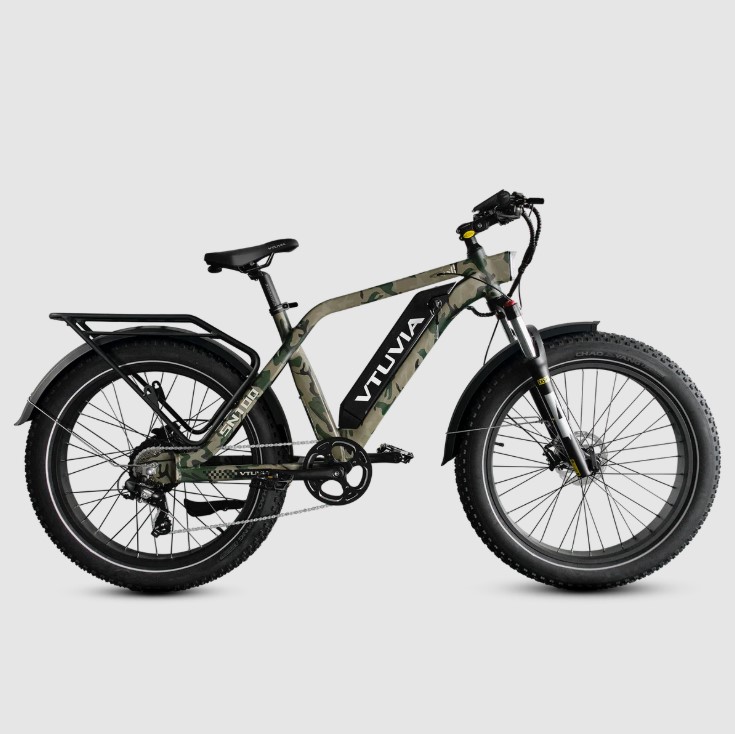
If you prioritize high torque for climbing and wide tires for traction, this model is specifically engineered to meet those demands. It balances a robust 750W motor with a frame capable of handling the rigors of off-road transit.
🔥 Limited-Time Official Discount
Check today's official price and available promotions before stock changes.
🚴 Check Today's Price✅ Official Store ✓ Secure Checkout ✓ Fast Shipping
Maintenance and Long-Term Ownership
Owning an e-bike, especially an off-road model, requires a shift in maintenance habits. Because these bikes deal with dust, moisture, and variable vibrations, checking the following periodically is crucial:
- Tire Pressure: Fat tires require specific pressure adjustments depending on the surface. Lower pressure provides better grip on soft sand or snow, while higher pressure is best for hard-packed trails.
- Chain Lubrication: Use a high-quality lubricant suited for outdoor environments to prevent rust and ensure smooth shifting.
- Bolt Inspection: Regularly check that all frame and accessory bolts are tightened, as trail riding can cause vibrations that loosen components over time.
- Battery Care: Avoid leaving your battery in extreme heat or freezing temperatures. If you aren't using the bike for an extended period, keep the battery charged to about 50-60%.
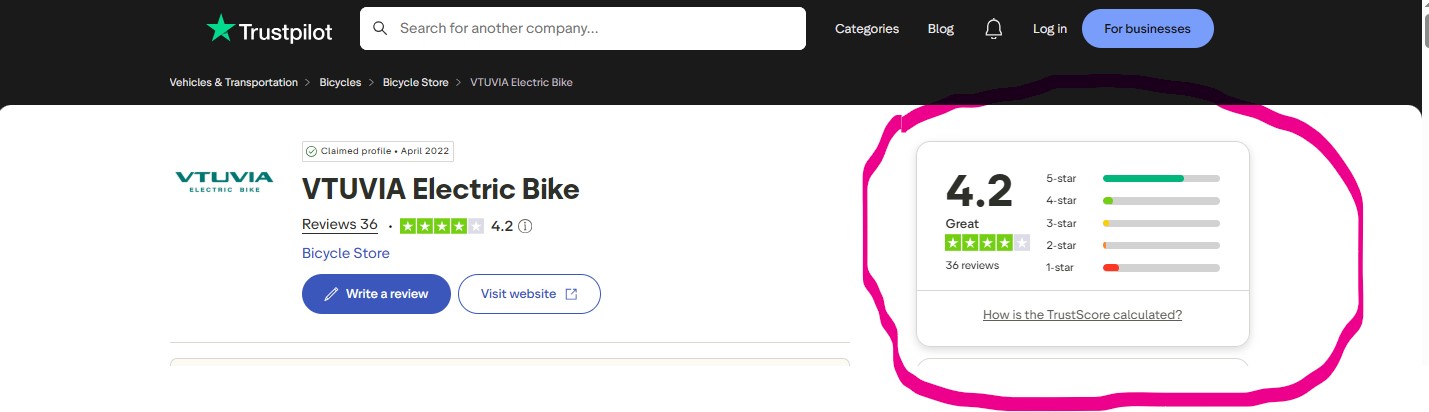
What Real Customers Say About VTUVIA
Don't just take our word for it. Here's what verified buyers are saying:
🔥 Limited-Time Official Discount
Check today's official price and available promotions before stock changes.
🚴 Check Today's PriceFrequently Asked Questions
1. Is the VTUVIA SN100 suitable for beginners?
Yes, the SN100 features intuitive pedal assist levels that make it accessible for beginners. However, due to its size and power, we recommend practicing in a flat, open area to get used to the motor engagement before heading onto difficult trails.
2. How far can an e-bike go on a single charge?
Range varies based on weight, terrain, speed, and pedal assist usage. Most high-performance models like the VTUVIA offer a significant range, but expect less distance in hilly areas compared to flat city streets.
3. Are fat tires better than standard tires?
Fat tires are superior for stability and traction on uneven or soft terrain like sand and snow. Standard tires are generally faster and more efficient on smooth asphalt, making the choice dependent on your primary riding environment.
4. Does the VTUVIA bike come with a warranty?
Yes, VTUVIA typically includes a 2-year warranty on their bikes, offering peace of mind for the long-term investment. Always check the official site for the most recent warranty documentation.
5. Can I use this bike in the rain?
Most quality e-bikes are water-resistant to handle splashes and light rain. However, they are not completely waterproof. Avoid submerging the motor or battery in deep water to prevent electrical damage.
6. Do I need a license to ride an e-bike?
Rules vary by country and region. In most places, if the bike is capped at 20-28 mph and meets specific wattage requirements, it is treated similarly to a standard bicycle and does not require a driver's license.
7. How heavy is the VTUVIA hunting e-bike?
Off-road fat tire bikes are inherently heavier due to their reinforced frames and large tires. This extra weight adds stability during high-speed off-road use, which is a key advantage for hunting and trail exploration.
8. Is assembly difficult?
Most e-bikes arrive 80-90% assembled. You will typically need to attach the front wheel, pedals, and handlebars. The process usually takes 30-60 minutes and requires basic tools provided in the box.
9. How long is the shipping process?
For US-based customers, shipping is typically fast, usually arriving within 3 to 7 business days. Processing times can add 1-2 business days to that total.
10. Can I replace the battery if it fails?
Yes, e-bike batteries are modular and can be replaced at the end of their life cycle. It is recommended to purchase replacements directly from the manufacturer to ensure compatibility and safety standards.


Social Plugin