
Billings E-bikes: Understanding Fat Tire Electric Bikes for Urban and Off-Road Adventures
The cycling landscape in areas like Billings is evolving rapidly. As more commuters and adventure seekers look for sustainable and efficient ways to navigate, the popularity of fat tire electric bikes (e-bikes) has surged. Whether you are tackling gravel paths, snowy winter commutes, or simply navigating city streets with uneven pavement, choosing the right electric bike requires a solid understanding of how these machines function and what features truly matter.
In this guide, we will explore the essential criteria for selecting a fat tire e-bike, the benefits of wide-tire technology, and the factors you should consider before making a purchase. Our goal is to equip you with the knowledge needed to make an informed decision tailored to your specific riding style and environment.
What Are Fat Tire E-bikes?
Fat tire e-bikes are characterized by their oversized tires—typically 4 inches wide or more. These tires are designed to be run at lower pressures, which allows them to "float" over soft or uneven surfaces. This design originated in snowy regions but has since become a favorite for casual riders, mountain bikers, and commuters alike because of the inherent stability and traction they provide.
The electric motor provides pedal-assist or full-throttle power, mitigating the increased rolling resistance typically associated with wider tires. This combination allows riders to maintain a higher average speed with less physical exertion, making them an excellent choice for hilly terrains or long-distance travel.
Key Considerations for Your Next E-bike
Before investing in an electric bike, it is crucial to analyze your personal requirements. Factors such as battery capacity, motor torque, folding capabilities, and total weight can drastically change your ownership experience.
1. Terrain and Intended Use
Are you primarily commuting on paved bike lanes, or are you planning to explore off-road trails? If your route involves significant mud, snow, or loose dirt, the aggressive tread pattern of a fat tire bike is essential. Conversely, if you prioritize portability, you might consider a folding model that can fit into a car trunk or under a desk.
2. Portability and Storage
Many urban dwellers deal with limited storage space. Folding fat tire e-bikes have become a game-changer in this regard. They allow you to bring your bike indoors, securing it against theft and protecting it from harsh weather conditions—a particularly important consideration for those living in variable climates.
3. Motor and Battery Life
The motor's wattage dictates your ability to climb hills, while the battery's amp-hour (Ah) rating determines your range. For most users, a 500W to 750W motor is the sweet spot for balance between power and battery longevity. Always check if the battery is removable, as this makes charging far more convenient if you don't have an outlet near your bike rack.
Fat Tire vs. Standard Tire E-bikes
| Feature | Fat Tire E-bike | Standard Tire E-bike |
|---|---|---|
| Stability | High (Excellent on loose terrain) | Moderate (Best on pavement) |
| Comfort | Natural shock absorption | Requires suspension |
| Weight | Heavier | Lighter |
| Maintenance | Higher (More tire surface) | Standard |
As indicated in the table, fat tire e-bikes prioritize comfort and versatility. While they are heavier, the added stability often leads to a more confident riding experience for beginners.
Introducing the VIVI MT20UL
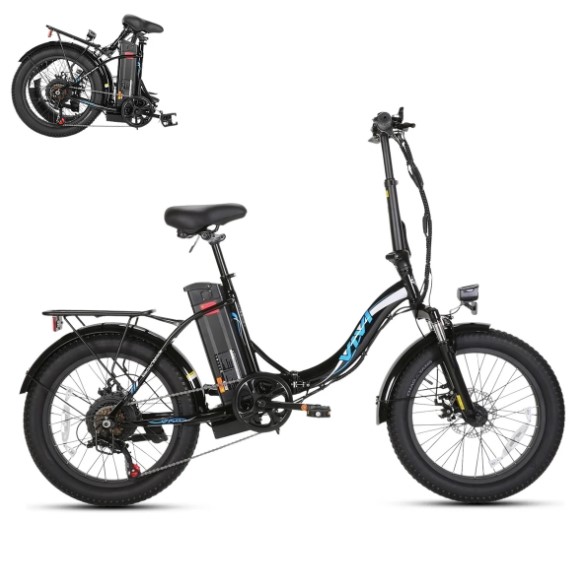
When looking for a balance between off-road capability, urban convenience, and folding design, the VIVI MT20UL stands out as a highly adaptable model. It is engineered for those who want the performance of a fat tire bike without sacrificing the ability to fold it away. This model integrates a robust motor and reliable battery, making it a strong contender for daily errands and weekend trail rides alike.
If this model matches your riding needs, you can check the latest official pricing below.
🔥 Limited-Time Official Discount
Check today's official price and available promotions before stock changes.
🚴 Check Today's Price✅ Official Store ✓ Secure Checkout ✓ Fast Shipping
What Real Customers Say About VIVI

🔥 Limited-Time Official Discount
If you're interested in this option, the official store often provides the latest promotions.
🚴 Check Today's PriceMaintenance Tips for Fat Tire E-bikes
Proper maintenance is the key to longevity. Fat tire bikes require a bit more attention to tire pressure. Because the tires are large, slight changes in pressure can lead to uneven wear or poor handling. Check your pressure before every ride. Additionally, ensure that your chain is lubricated and the braking system is checked monthly, especially if you ride in dusty or wet conditions.
For battery care, avoid letting the charge drop to zero frequently. It is better to top it off after each ride. Store the battery in a climate-controlled environment during the winter months, as extreme cold can degrade battery performance significantly.
Final Thoughts
Choosing an e-bike is a personal decision that should balance your daily needs with your adventurous spirit. Whether you settle on the VIVI MT20UL for its folding convenience or another model, prioritize safety, build quality, and after-sales support. Taking the time to understand the mechanics of your bike will ensure you get the most out of your investment for years to come.
Frequently Asked Questions
- Are fat tire e-bikes better than regular e-bikes? They are not necessarily "better," but they offer superior stability and comfort on rough terrain, making them the preferred choice for off-road riding or winter climates.
- How long do fat tire e-bike batteries last? Typically, they last for 30–60 miles per charge, depending on rider weight, assist level, and terrain.
- Is the VIVI MT20UL hard to assemble? Most VIVI bikes arrive partially assembled, requiring minimal tools to finish setting up the handlebars and pedals.
- Can I ride a fat tire e-bike on snow? Yes, the wide tires provide the necessary float and grip for snowy surfaces.
- Do I need a license to ride these in the US? Most e-bikes with motors under 750W fall under the bicycle category, but local laws vary, so check your local municipality.
- How often should I charge my battery? It is recommended to charge your battery after every use to maintain its health and ensure it is ready for your next trip.
- Is a folding e-bike sturdy enough for trails? Many modern folding e-bikes use high-strength aluminum frames specifically designed to handle trail vibrations and off-road use.
- What happens if I get a flat tire? While fat tires are puncture-resistant, they can still get flats. Carry a portable pump and a patch kit or a spare tube on longer trips.


Social Plugin